What to Eat While Taking Semaglutide or Tirzepatide
Your appetite will change dramatically on GLP-1 medication. Here's how to make every bite count for nutrition, energy, and maximum weight loss results.
Why Diet Matters More on GLP-1 Medication
Semaglutide and tirzepatide work by reducing appetite and slowing gastric emptying. Food intake may decrease by different amounts or may not decrease. Nutrition should be reviewed individually to support adequate protein, energy, fluids, vitamins, and minerals without assuming a fixed intake or weight outcome.
The most common nutritional mistake patients make is eating too little protein. When you're losing weight rapidly, adequate protein intake (0.7-1.0 grams per pound of body weight) helps preserve lean muscle mass, which keeps your metabolism healthy long-term.
Foods to Prioritize
Lean proteins (aim for 25-30g per meal)
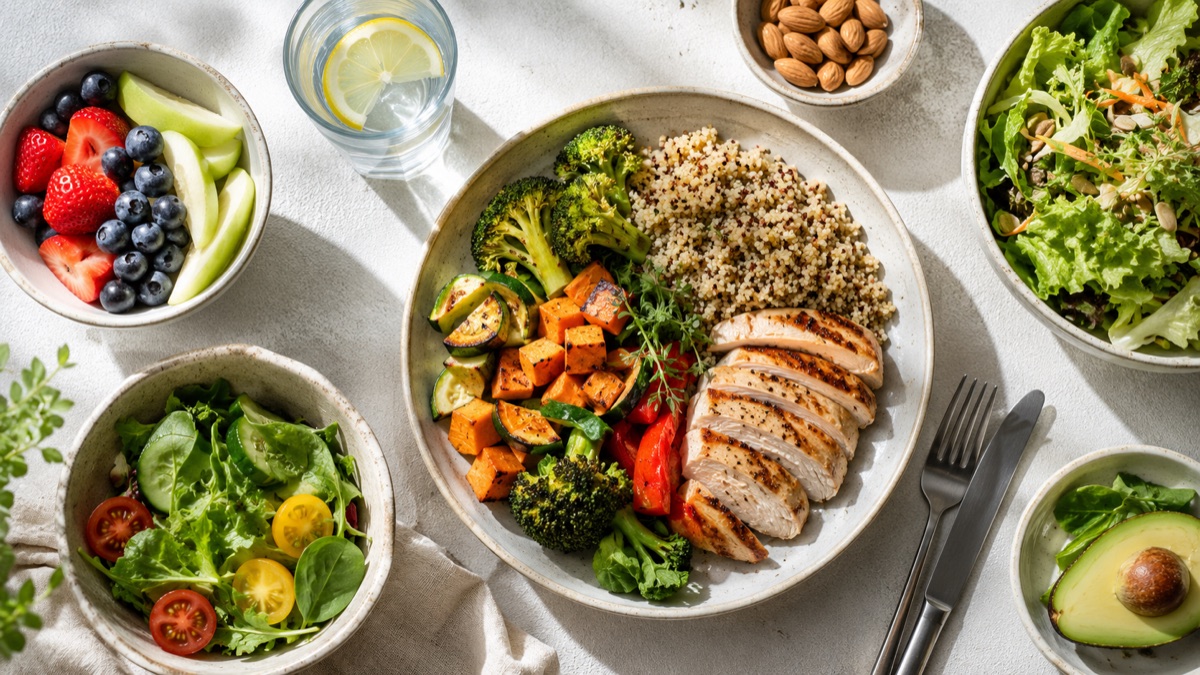
Chicken breast, turkey, fish (salmon, cod, tilapia), eggs, Greek yogurt, cottage cheese, lean beef, tofu, and legumes. Protein should be the foundation of every meal. It preserves muscle, keeps you satisfied longer, and supports recovery.
Ready to start?
$199 Skeptics' Trial, see if it works for you
One-time $199 trial with physician evaluation and, only if a prescription is approved and the dispensing pharmacy can fulfill it for the patient's location, one month of compounded semaglutide; the pharmacy confirms packaging and shipping details before fulfillment. No long-term commitment. Standard care starts with a $119 physician review; medication is separate, and compounded semaglutide programs start at $166/month.
Start the 30-day trialNon-starchy vegetables
Broccoli, spinach, kale, zucchini, bell peppers, cauliflower, asparagus, green beans, cucumbers, and tomatoes. These provide essential vitamins and fiber with minimal calories. Fiber also helps with the constipation that some patients experience on GLP-1 medications.
Complex carbohydrates (moderate portions)
Sweet potatoes, quinoa, brown rice, oats, whole grain bread, and beans. These provide sustained energy. Keep portions smaller than pre-medication, a fist-sized serving is typically enough.
Healthy fats (small amounts)
Avocado, olive oil, nuts, seeds, and fatty fish. Fats support hormone production and nutrient absorption. A tablespoon of olive oil or a quarter of an avocado per meal is usually sufficient.
Foods to Minimize or Avoid
High-fat, greasy foods
Fried foods, fast food, and heavy cream-based dishes can significantly worsen nausea and GI side effects. Since GLP-1 medications slow gastric emptying, high-fat foods sit in your stomach longer and can cause discomfort.
Sugary foods and drinks
Soda, candy, pastries, and sugary cereals provide empty calories with no nutritional value. With your reduced appetite, every calorie should contribute to nutrition.
Alcohol
Alcohol provides empty calories, can worsen nausea, and may affect blood sugar. If you do drink, limit to 1-2 drinks per occasion and avoid sugary mixers. Many patients find their alcohol tolerance decreases on GLP-1 medication.
Large meals
Your stomach empties more slowly on GLP-1 medication. Eating large portions can cause nausea, bloating, and discomfort. Smaller, more frequent meals (4-5 times daily) are typically better tolerated than 3 large meals.
Sample Day of Eating
Breakfast (7:30 AM): 2 scrambled eggs + 1/2 avocado + spinach on one slice whole grain toast. Glass of water.
Mid-morning snack (10:00 AM): Greek yogurt (plain) with a handful of berries and 1 tbsp chia seeds.
Lunch (12:30 PM): 4 oz grilled chicken breast over mixed greens with cucumber, tomato, bell pepper, and olive oil/lemon dressing. Small portion of quinoa.
Afternoon snack (3:00 PM): Apple slices with 2 tbsp almond butter. Or a protein shake.
Dinner (6:00 PM): 4 oz baked salmon with roasted broccoli and sweet potato (fist-sized portion). Glass of water.
Total approximate protein: 90-110g | Total approximate calories: 1,200-1,500
Managing Nausea Through Diet
Nausea is the most common side effect of GLP-1 medications, especially during dose increases. These dietary strategies can help significantly. Eat slowly, take 20+ minutes per meal. Start with bland, easily digestible foods (crackers, toast, broth) on nausea days. Avoid lying down immediately after eating. Sip water throughout the day rather than drinking large amounts at once. Ginger tea or ginger chews can help settle the stomach. Avoid cooking smells that trigger nausea, cold or room-temperature meals are often better tolerated.
Staying Hydrated
Dehydration is a common and underappreciated issue on GLP-1 medications. When you eat less, you also get less water from food. Reduced appetite can also mean you forget to drink. Aim for 64-80 oz of water daily. Add electrolytes if needed, especially during the first few weeks. Signs of dehydration include headaches, fatigue, dark urine, and dizziness. These are often mistaken for medication side effects when they're actually dehydration.
Frequently Asked Questions
How much protein should I eat on semaglutide?
Aim for 0.7-1.0 grams of protein per pound of body weight daily. For a 200 lb person, that's 140-200g of protein per day. This helps preserve muscle mass during rapid weight loss. Spread protein across all meals rather than loading it into one.
Can I drink alcohol while taking semaglutide?
Moderate alcohol consumption is not explicitly contraindicated, but many patients find their tolerance decreases significantly. Alcohol also provides empty calories and can worsen nausea. If you choose to drink, limit intake and avoid sugary mixers.
What should I eat if I feel nauseous?
Stick to bland, easily digestible foods: plain crackers, dry toast, broth, bananas, and rice. Eat small amounts slowly. Ginger tea can help. Avoid greasy, spicy, or heavy foods until the nausea passes. If nausea persists, contact your physician, dose adjustment may help.
Should I take vitamins on GLP-1 medication?
A daily multivitamin is recommended for most patients on GLP-1 medications since you're consuming fewer calories and potentially fewer nutrients. Your physician may also recommend specific supplements based on your lab work.
What if I'm not hungry at all?
Even if you have no appetite, it's important to eat at minimum 1,000-1,200 calories daily to maintain basic nutrition and prevent muscle loss. Focus on nutrient-dense foods and consider protein shakes if solid food is unappealing. If complete loss of appetite persists, discuss with your physician.
Medical disclaimer: This nutrition guide is for general informational purposes. Individual dietary needs vary. Consult your physician or a registered dietitian for personalized nutrition advice. This information does not replace professional medical guidance.
New Hope Weight Loss | 1503 South Coast Drive, Suite 322, Costa Mesa, CA 92626 | (657) 837-3342
Wegovy® and Ozempic® are registered trademarks of Novo Nordisk A/S. Mounjaro® and Zepbound® are registered trademarks of Eli Lilly and Company. New Hope Weight Loss is not affiliated with, endorsed by, or sponsored by Novo Nordisk or Eli Lilly. Compounded semaglutide and tirzepatide are not FDA-approved or brand-identical and have not undergone FDA premarket review for safety, effectiveness, or quality. Results vary. Any prescription depends on individualized medical review and lawful pharmacy fulfillment for the patient's location.